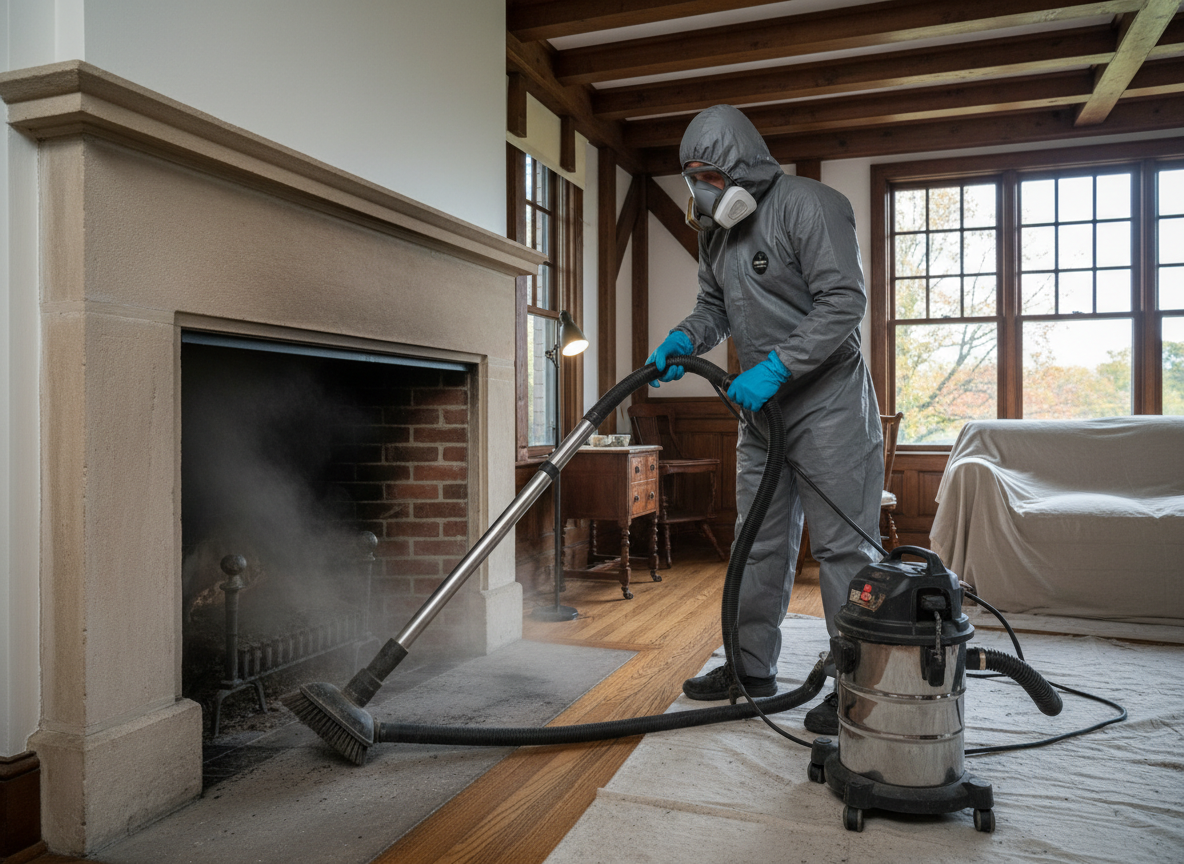
Soot from structure fires in Bryn Mawr homes often penetrates porous materials like drywall, wood framing, and insulation found in mid-century housing stock common throughout the area. Fine particles travel through HVAC systems and settle on surfaces that appear clean at first glance, requiring targeted cleaning methods beyond basic wiping. In San Bernardino County properties, older electrical wiring can contribute to recurring smoke residue if not fully addressed during initial restoration.
Technicians must distinguish between wet and dry soot types, as each demands different solvents and vacuum equipment to avoid spreading contaminants. Edge cases include soot lodged behind baseboards or inside attic spaces where temperature shifts in the Bryn Mawr region can cause re-deposition onto cleaned surfaces. Proper containment and negative air pressure setups prevent cross-contamination between rooms during the process.
Homeowners sometimes attempt DIY removal using household cleaners that set the soot permanently into fabrics or painted walls. Professional assessment identifies hidden residues in ductwork and behind appliances before any cleaning begins. Documentation of affected areas supports insurance claims while ensuring all visible and microscopic particles are extracted.
Technician insight
In Bryn Mawr, the thing that catches most people out with Soot removal is how the older stucco homes on streets like Juanita let fine particles work into the textured walls during the dry season, so a quick wipe leaves residue that resurfaces weeks later unless you use the right pH-balanced cleaners from the start.
Kitchen Soot After Stove Fire
A Bryn Mawr homeowner called after a kitchen stove fire coated cabinets and counters. We found soot had migrated into the range hood and adjacent drywall seams. We contained the room, extracted particles with HEPA equipment, and treated surfaces with appropriate solvents. The kitchen passed clearance testing and the family returned without lingering odors.
How it works
- 1
Initial Assessment
Inspect all affected rooms and HVAC paths in the Bryn Mawr property to map soot distribution.
- 2
Containment Setup
Install barriers and negative air machines to isolate work zones and protect unaffected areas.
- 3
Surface Cleaning
Apply appropriate solvents and HEPA vacuums to walls, ceilings, and contents without spreading residue.
- 4
Final Verification
Test surfaces and air quality to confirm soot levels meet restoration standards before reoccupancy.
Pricing
Cost depends on square footage affected, soot type, and whether HVAC cleaning is required.